


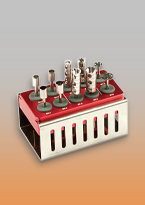
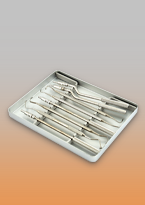
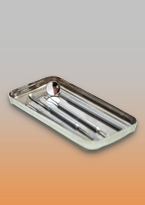
Orthodontics is a direction in dentistry, the task of which is to correct the incorrect position of teeth through a variety of orthodontic structures, such as: braces, trainers, aligners (transparent mouthguards) and the most common records.
The correct choice of one or another orthodontic design, as well as the use of high-quality tools and materials, determines the success of orthodontic treatment and normalization of the bite even in the most difficult cases.
The last factor - the use of quality instruments for orthodontic treatment - always guarantees a 100% result. An orthodontist uses a set of special orthodontic instruments in his work:
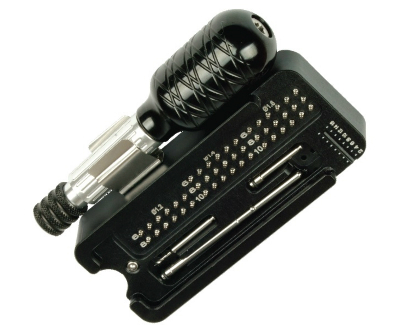
- braces removal forceps;
- forceps for working with multibonding systems;
- anvil, dental hammer;
- crampon tongs;
- scissors for metal;
- pliers;
- reverse tweezers for installing braces.
All orthodontic instruments are divided into the following types:
- stimulating teething;
- corrective, used when changing the position of several teeth;
- retention, used after the main orthodontic treatment in order to consolidate the result;
- special orthodontic appliances designed to narrow or expand the dentition.
- combined instrumentation that allows you to simultaneously correct various anomalies of the dentition - to narrow or expand the interdental space.
The work of an orthodontist involves jewelry craftsmanship, which is possible only with the use of convenient and reliable orthodontic instruments.